
‘I have studied many philosphers and many cats. The wisdom of cats is infinitely superior.‘
Hippolyte Taine
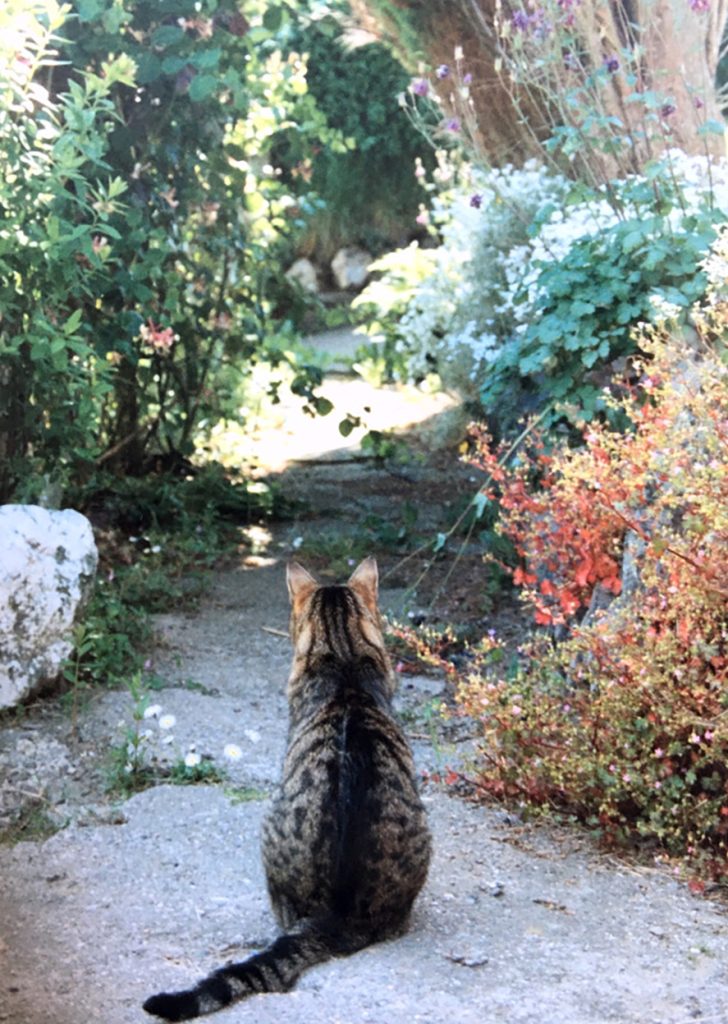
Writers, philosphers, artists and poets have been writing about cats for centuries. About their wisdom, mysteries, and magnificence and how they give meaning to our lives. As caregivers, behaviourists and professionals, we learn about cats to give them their best possible lives. Hopefully.
“I meant” said Ipslore bitterly, “what is there in the world that truly makes living worthwhile?”
Death thought about it.
CATS, he said eventually, CATS ARE NICE.
Terry Pratchett, Sorcery (Discworld, No.5; Rincewind, No.3)
Would you agree that these feline philosophers, iwth one paw in the wild, the other on the threshold of the back door, are to be admired, understood as best we can, and accommodated to live as fulfilling a life as possible?
Imagine if you were under house arrest. In a beautiful home with lovely views of gardens through large glass doors and windows. The house arrest sentence is lifelong as your curious nature and inquiring mind inspires a need to explore the world and travel long distances, which concerns your loved ones. You are still young with abundant energy, and to help you pass the hours, board games are piling up,books are accumulating and TV shows and movies are collecting in the various libraries around your home. Some days pass by more easily and swiftly than others as you start sleeping longer, eating more to fill in the time and although you enjoy some of the activities on offer, the sameiness becomes boring and you begin to experience intermittent frustration as well as a sense of loneliness. This is sometimes alleviated when spending some time with those sharing your home, although at other times you find them annoying as they talk about their experiences in the outside world, which once again increases your irritation. You gret them abruptly, go to have a snack and then are warned that you’re putting on too much weight, so the mid-afternoon snacks are removed. Your frustration increases and you start lashing out at the oldest member in your home. This is not tolerated, someone yells at you and you’re strongly told to stay in your room if you cannot be kind. You lie on your bed contemplating the white ceiling and wondering how you’re going to get through the next day. Then remind yourself that this is your life. You’ve also heard on the radio that being confined increases lifespans by at least a decade.
I often wonder if this is analagous to how cats might feel when confined to a life in a house or a flat. No matter how much enrichment they are provided, no matter how much their people love them, or if a catiois attached to the exterior wall for them to stare at the wildlife flitting in and out of the garden, they still cannot explore the outside environment at their leisure, feel the grass and soil under their paws, stare at a bush for hours waiting for a small creature to emerge, or a leaf to fly off in the wind. They cannot follow the sun and laze in its warmth with soft grass underneath. They cannot climb the ever-changing trees, or visit anyone. Some cats like to visit other homes for various reason: social contact, a second breakfast, a preferred garden or for many otyer reasons we can only guess.
They’ve not chosen this life, and they’re given very little control over their lives, yet we know how choice and control are essential to a cat’s wellbeing. They can no longer hunt, one of the reasons given for confinement, which many might think a good thing due to the loss of so much wildlife globally. However the reasons for the 6th mass extinction of species on earth is not because of cats, but because of us, as we deplete the planet of habitable land and species at a terrifying rate. We are the culprits. Cats are born hunters, although many do not hunt birds or mice, and instead chase and pounce upond whatever or whoever is moving outside. We are the predominating hunters, controllers and destroyers of nature, and yet pin the blame on cats and we punish them.
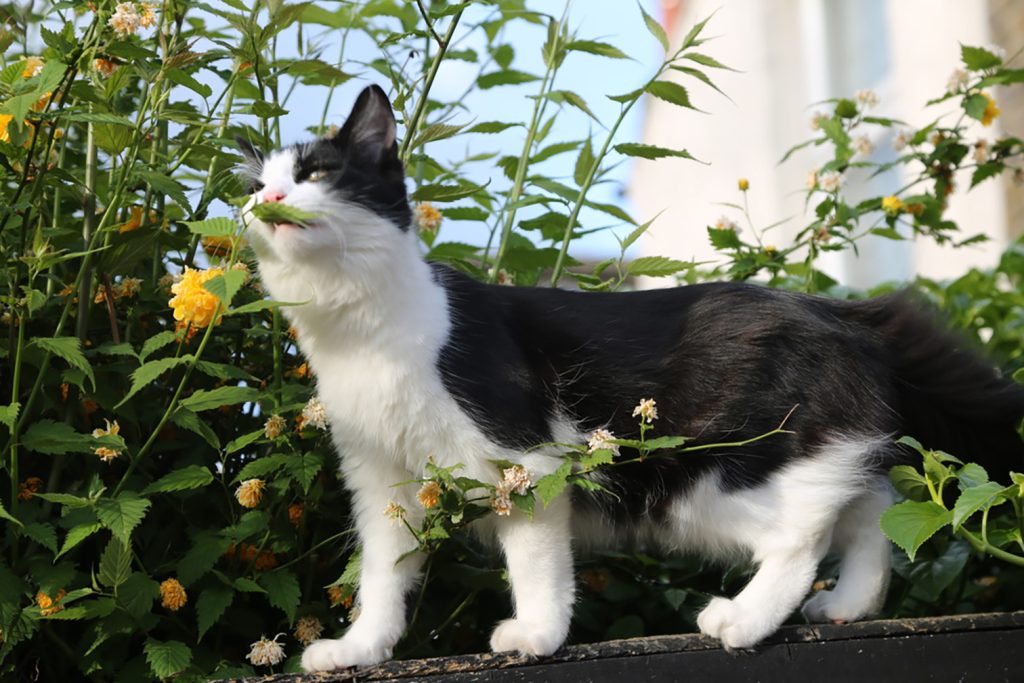
Another reason given is that cats are safer from cars when confined. This is generally true as long as they do not escape, and many attempts are made. Many escape and are caught. Others disappear, get lost as they do not know the area. However there are still dangers within the home and none of us can live a completely physically safe life. We take chances every time we drive, fly or walk and who would relinquish the freedom to do this? Confinement affects both mental, emotional as well as physical health. Road traffic accidents are devastating and traumatic for all concerned. Yet in our desire to protect cats from these particular physical dangers, we neglect to consider their equally important emotional wellbeing needs. Their sense of emotional safety, having the opportunity and choice to express their needs, where coming home is a place of joy, safe connections and peace, not a place from which they may want to escape or create distance from anyone. When they can choose to go out multiple times a day to experience the world, run, climb, explore, leave messages for other local cats, knowing they can always return home, this is a more fulfilled life. A life where longevity is not the equivalent of a good life, rather emotional fulfillment, the details of which only each cat can know. It does not come from us imposing our need to see them safe indoors as cats are often subtle in showing how stressed they are feeling.
Living a life where sleep appeals ever more is a slow, sad departure from this planet in a more subtle way. We think we are keeping them safe. That food games, toys, walkways, playtime and various other enrichment ideas can help compensate for our choices. Are they enough? Are we choosing their physical welfare alone and neglecting their emotional, social and other physical needs – their emotional wellbeing?
I believe if we bring these wonderful, naturally curious beings into our lives and homes, we owe them a fulfilling life where they are given the option to choose how they would like to spend it: indoors, outdoors, or lots of both.
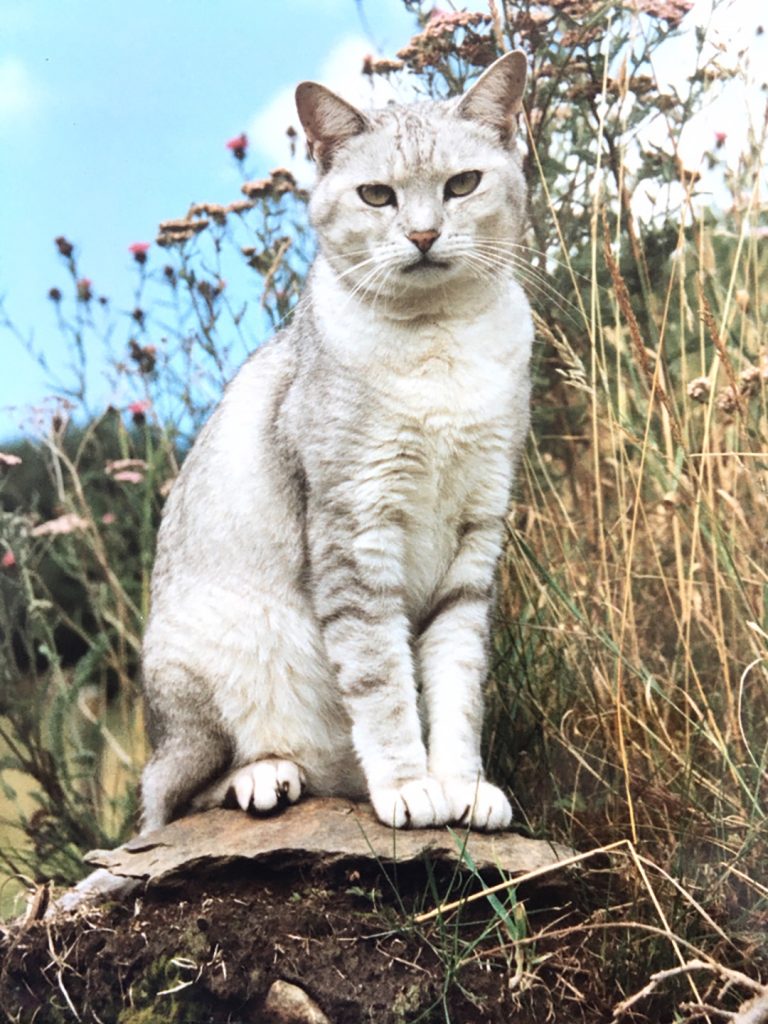
“I have lived with several Zen masters – all of them cats.” Eckhart Tolle, The Power of Now
Vicky Alhadeff
Home